USA - Tourists by Shaun Armstrong

Observing and photographing the visitors to popular attractions in the USA.

I’ve talked in a previous post about my inability to attend an art gallery or museum without being drawn into photographing my fellow visitors. They are always interesting and, more often than not, dressed with more panache that I can manage. Not always the same with tourists outside in hot weather.

Carrying my observing-the-observers burden on a road-trip to Western USA yet again the folk around drew my attention despite the grandeur and iconic settings…

©shaunarmstrong_usa-9839.jpg

Sunset in Monument Valley. Folk positioning themselves ready for the unfolding rich splendour. These massive, but also small in context, buttes warm up into all sorts of rich reds, oranges and browns as the sun sets. Helped by some aesthetic clouds it is a wonder to behold.

I just loved the way everyone was having their own moment, even from behind, and there’s a natural balance in positioning that draws you in I think.

©shaunarmstrong_usa-1427.jpg

Viewpoint Golden Gate bridge, San Fransisco. Hundreds of people pile into this car park / visitors rest / viewpoint to get an identikit we-went-here shot. And fair enough if you’re passing through, rather than having walked from Fishermans Wharf (well worth the effort) it’s safer than the bridge itself.

It’s actually not that great a view, photographically, but amazing how people don’t invest a little time walking to get a better photo or just a better view . The cheery people on the left will no doubt be delighted when they see their image of them, a foggy bit of the bridge and three strange ladies in their shot.

©shaunarmstrong_usa-0428.jpg

Holy heck it was hot. The Neon Museum or Boneyard, Las Vegas Nevada. Tucked away at the north end of the city sits a collection of bits and bobs of signage from over the years and it’s splendid. The stories of the old casinos, days of the Rat Pack and how lights and design evolved is captivating. I had the pleasure of a large, extended family of Mexicans on my tour and even they clamoured to get into the shade at any opportunity…

©shaunarmstrong_usa-0002.jpg

Horseshoe Bend, Paige AZ. A walk of about 1/2 mile across an area of sandy pathway/wilderness brings you from a small car park to what is probably one of the best and most spectacular views; even better than the Grand Canyon in my opinion as you can see from the ridge to the bottom. Not that you can see it in this shot…

When I first did this walk in 1997 we were there with about six other people and didn’t see that many more in the small dust “car park” where we parked with one or two other vehicles. Back then it was “off the grid”. Now (2017) the car park is paved, massive, busy and there were perhaps a few hundred people filing / shuffling to and from the ridge edge in 100+ degree heat.

And when I say edge I mean edge; the drop from this rocky outcrop is straight down hundreds of metres. That’s a one way trip. You can’t photograph that in any meaningful way, nor the view really, but everyone tries to. I believe the plan is now to manage people and put up rails. It’s a shame, as you will feel you are looking at a view rather than being part of it as it used to be…

Hollywood Boulevard Walk Of Fame. Just your usual street characters and only one looking at a screen…

©shaunarmstrong_usa-0689.jpg

Death Valley, California.

Not dissimilar to Monument Valley : the car park, the wall, the view, the shot. These wild spaces are so beautiful and worthy of off-piste exploration and contemplation but when that’s not possible at least the viewpoints provide extra layers of interest to the street photographer.

See a larger gallery of Tourists USA images.

The Photographers' Gallery - Roman Vishniac by Shaun Armstrong

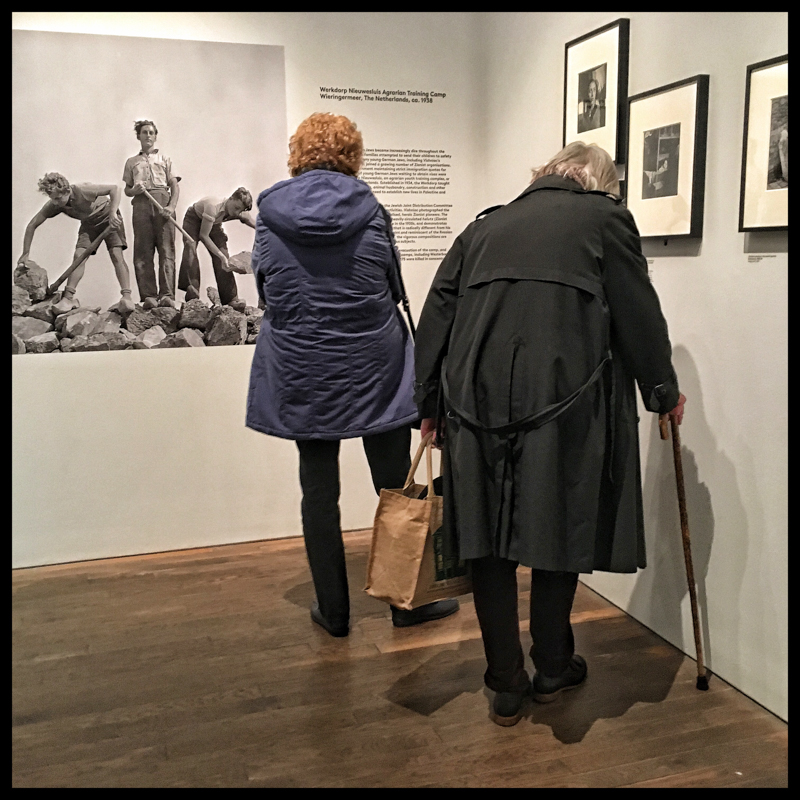
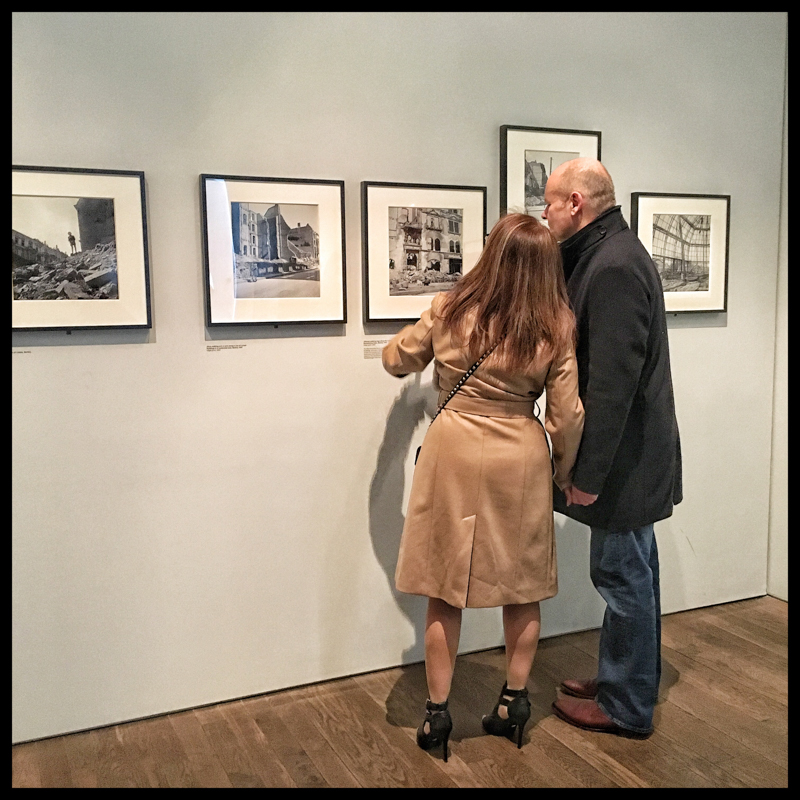
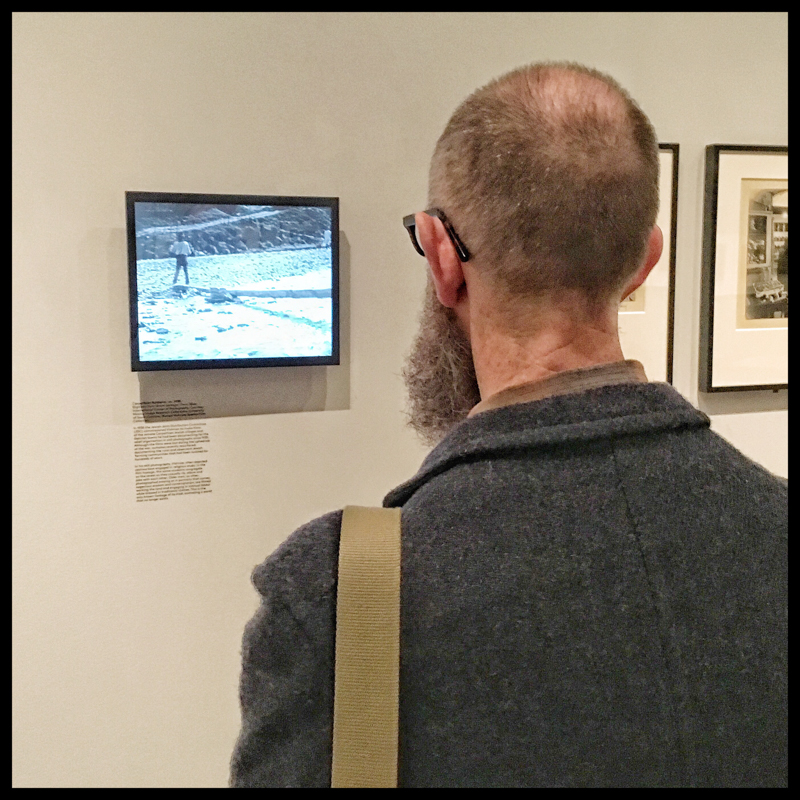
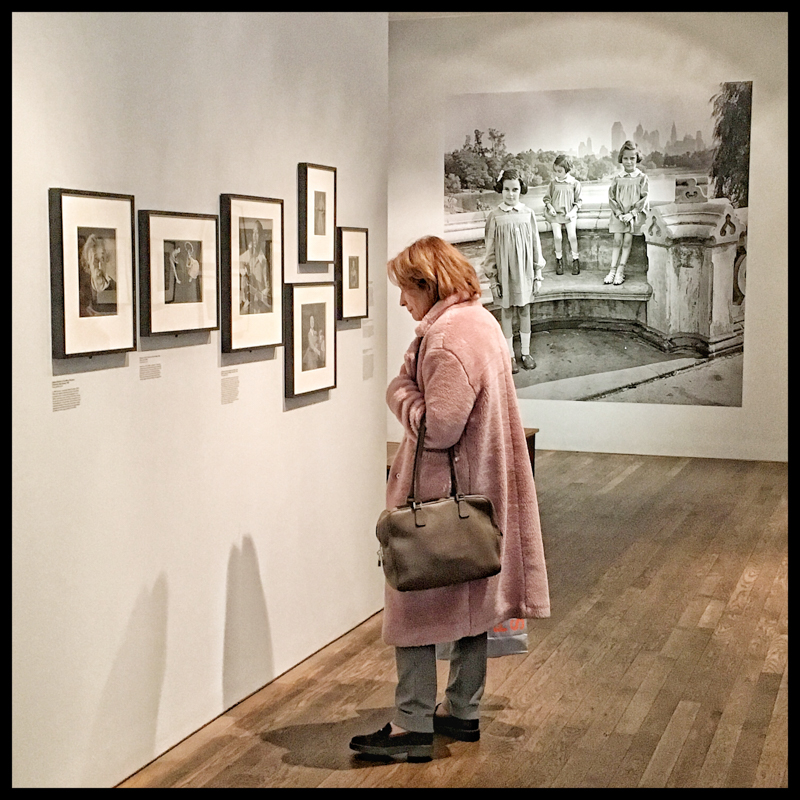
Yet again caught up in documenting the visitors to an art exhibition, this time at The Photographers’ Gallery.

©shaunarmstrong-4241.jpg

It’s been a while since I’ve visited The Photographers’ Gallery and not since the major refurbishment a few years ago. I was drawn in particular to the Roman Vishniac Rediscovered exhibition in association with Jewish Museum London. Covering a body of work from 1920 to 1970 but focussed mainly on his powerful reportage work of the impoverished and oppressed Jewish community in inter-war Germany. This photography commission was aimed originally at raising awareness of the Jews in the 1930s, against the backcloth of rising fascism. The subsequent events of the second world war made these images even more important as historic documents of a way of life now lost and like all good reportage, show observed elements of real-life shot with the skill and aesthetic of a great reportage photographer.
Covering two floors of the Gallery, it also covers the period of his move to the US in 1940 where he documented Jewish families relocating and settling into their immigrant lives and his subsequent portrait work and his lifelong interest in biology and advances in colour photomicroscopy.

Roman Vishniac Rediscovered is on at The Photographers’ Gallery until 24 Feb 2019

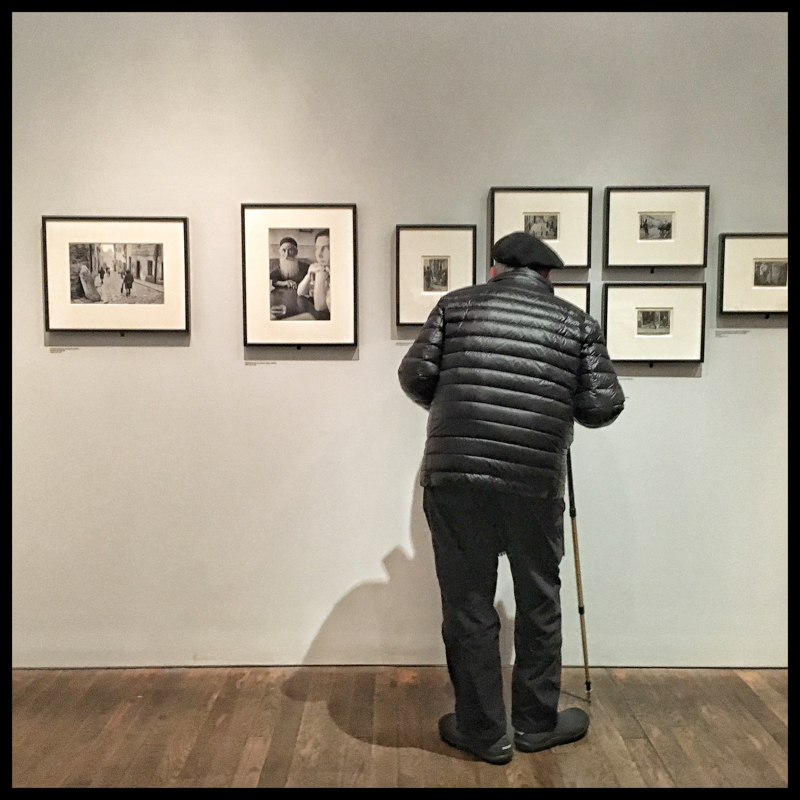
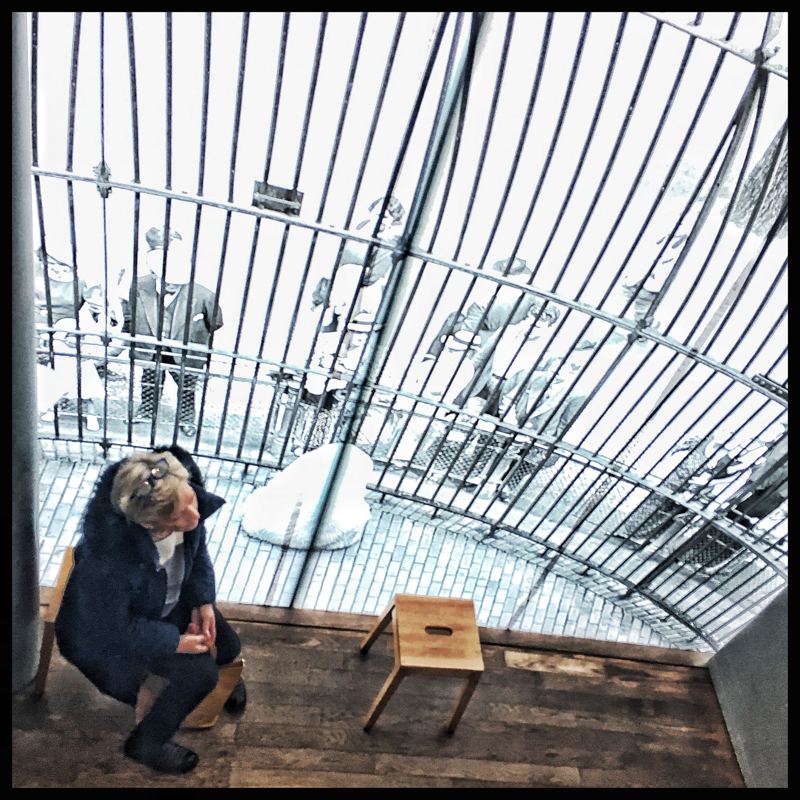
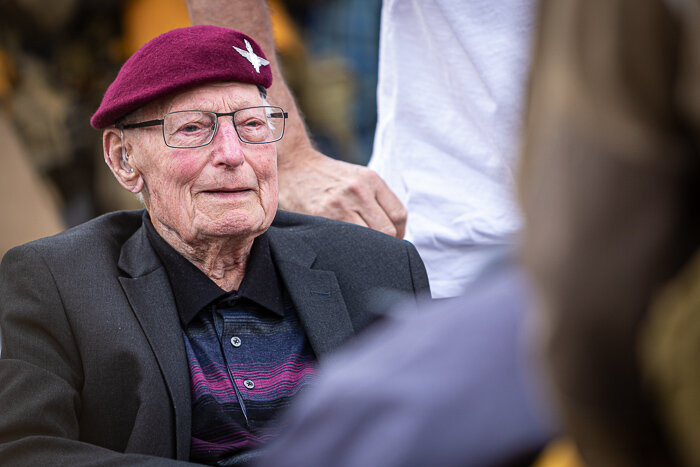
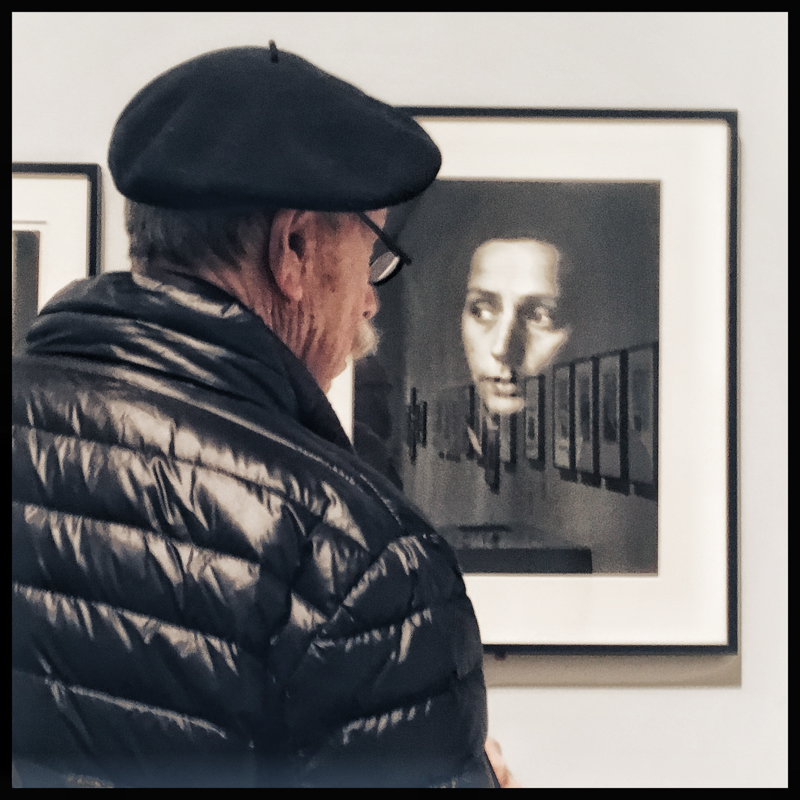
However, I again failed to stop myself being drawn into taking candid iPhone images of some of the other visitors to the galleries - always interesting people who, weaving in amongst the fixed displays never fail to bring out the reportage photographer in me. Including Mr Beret who punctuated each stop-and-look movement with a firm thud of his walking pole…!

Orford Ness, Suffolk - Hidden History by Shaun Armstrong

Secret atomic testing base still has secrets to tell…

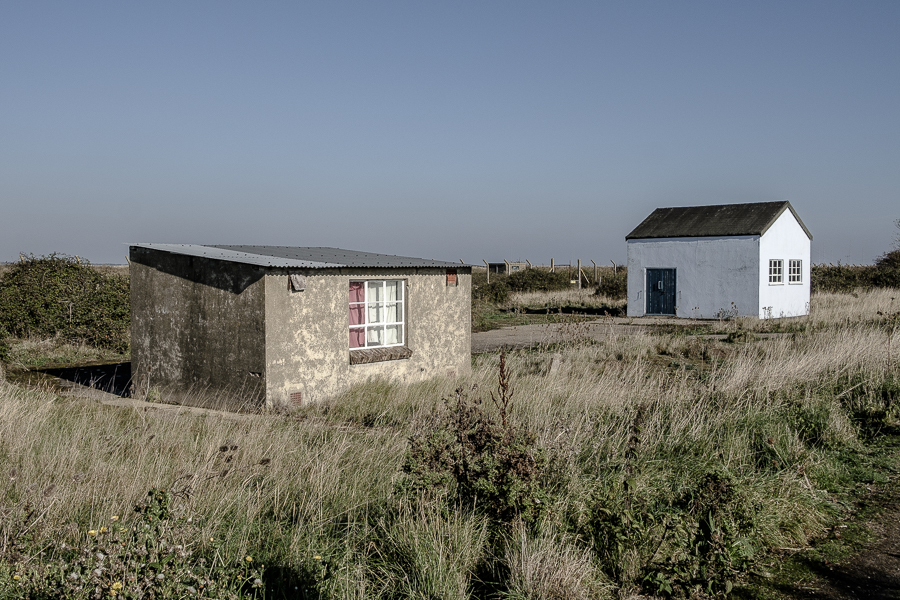
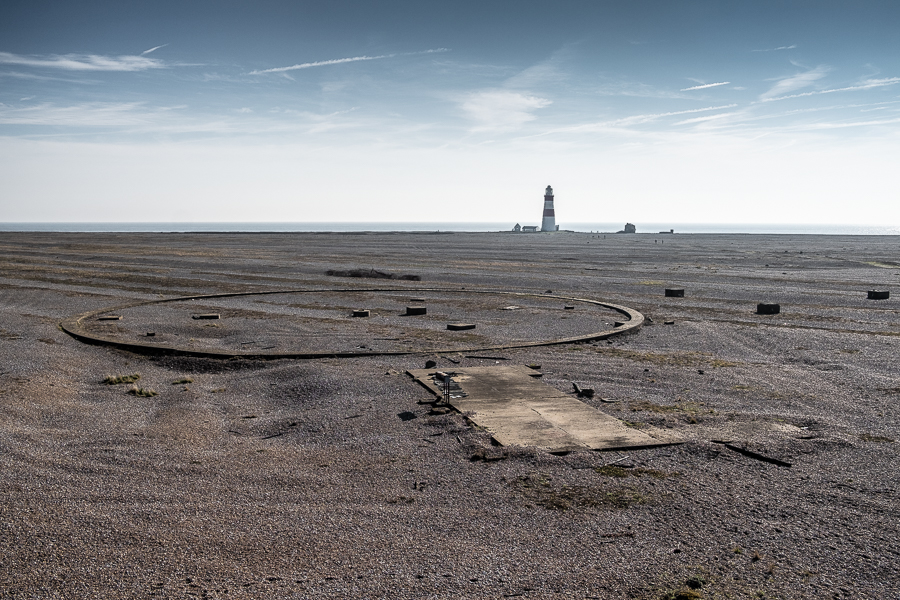
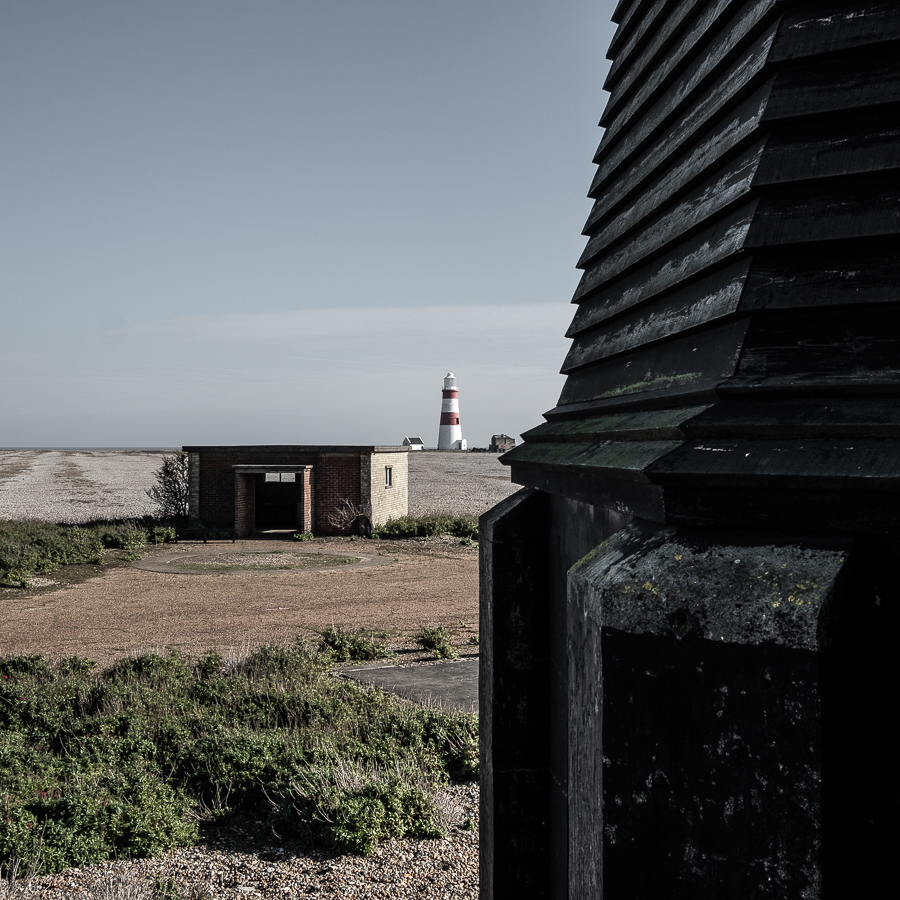
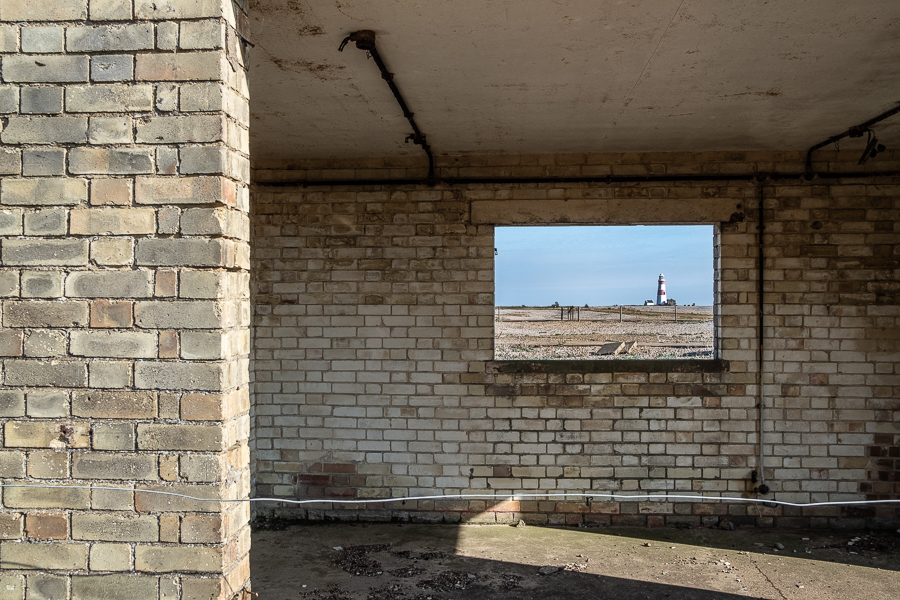
Sleepy Orford Ness. In the background the multi£m US cold-war listening complex - Cobra Mist

Sleepy Orford Ness. In the background the multi£m US cold-war listening complex - Cobra Mist

©shaun_armstrong_-1279.jpg

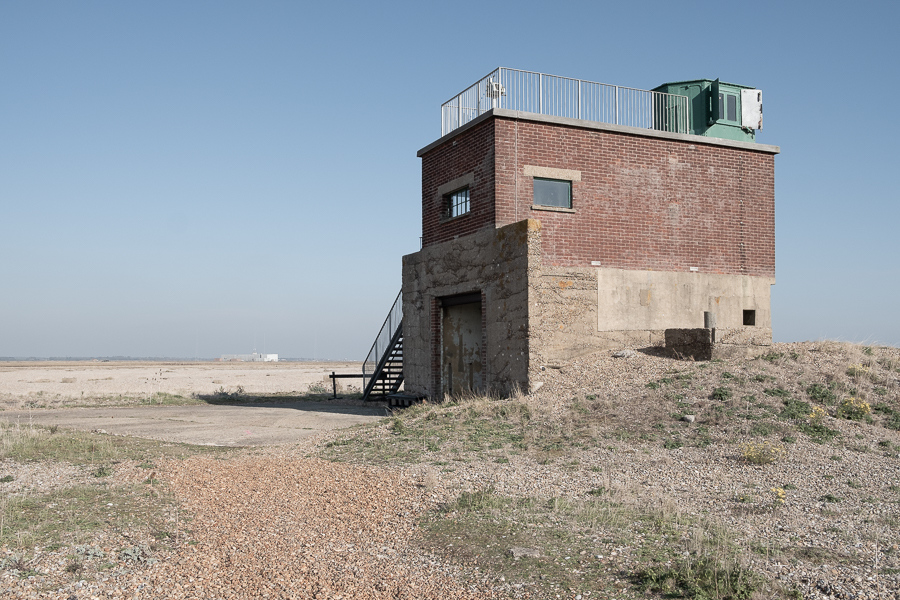
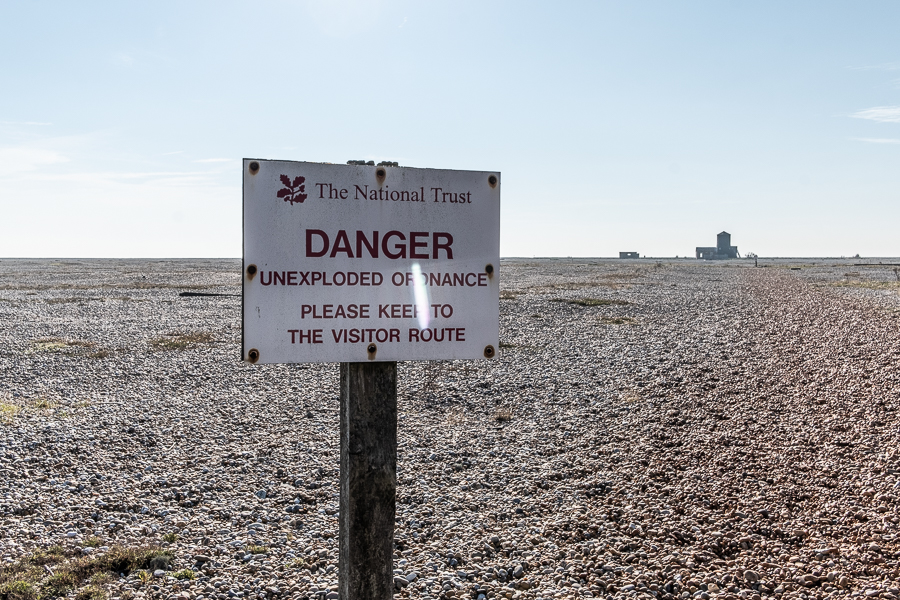
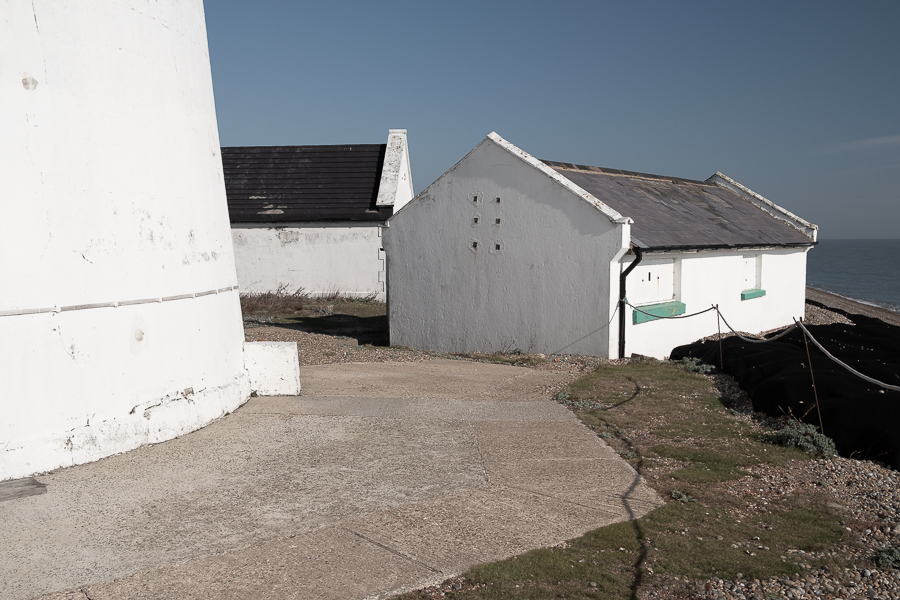
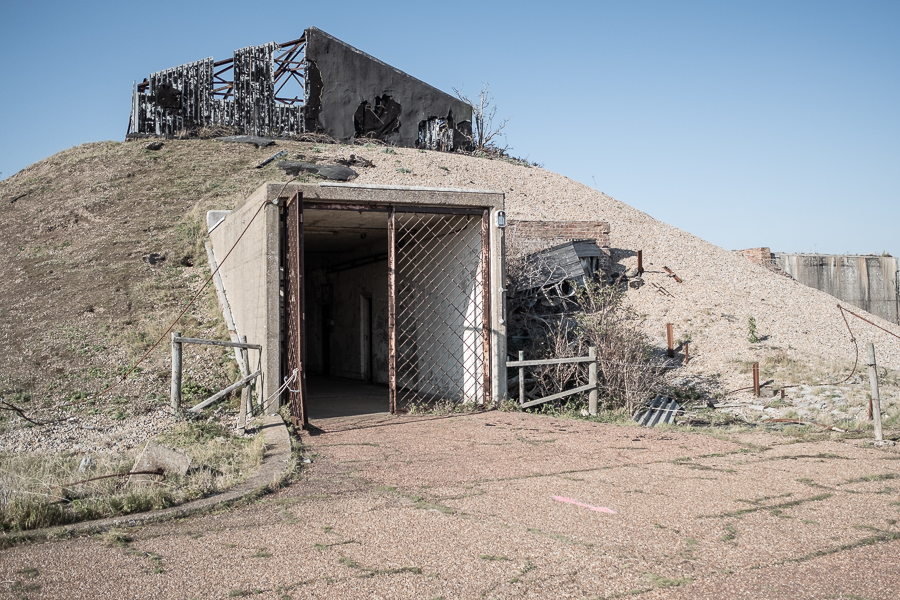
I recently spent a day exploring the large area of essentially shingle and marsh off the coast of Suffolk, known as Orford Ness. A natural spit of land created as oblique waves slowly moved the beach into the sea and now a nature reserve under the control of the National Trust. But in between it was the site of cutting-edge military research and testing.

Boarding a small boat from the quaint seaside village of Orford, with its castle, agreeable restaurants and specialist food emporiums, the (literally) three minute water crossing takes you to another world.

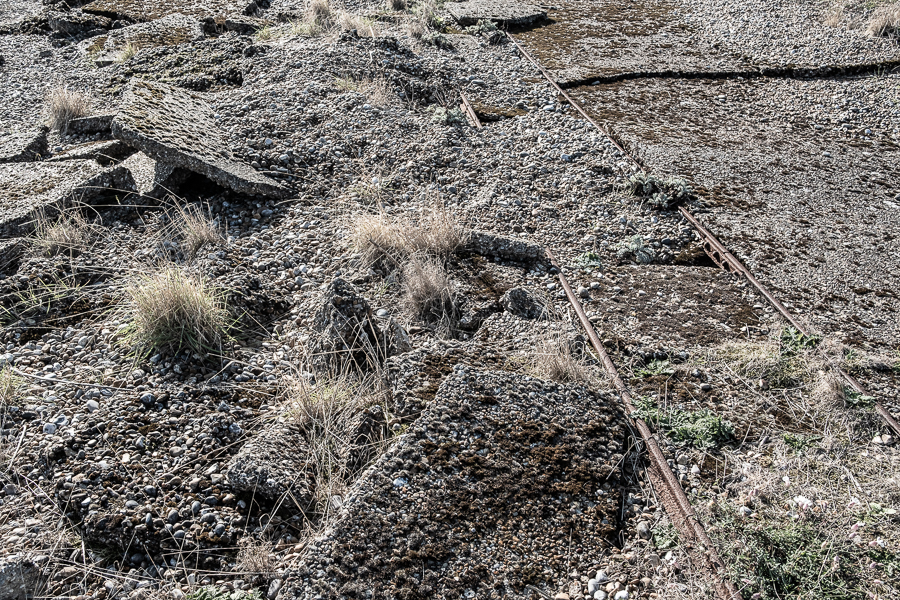
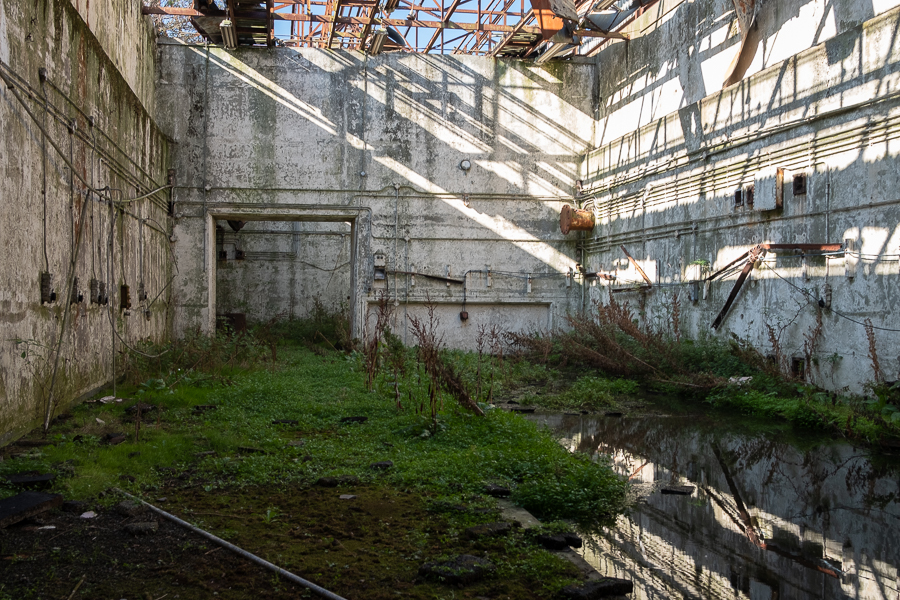
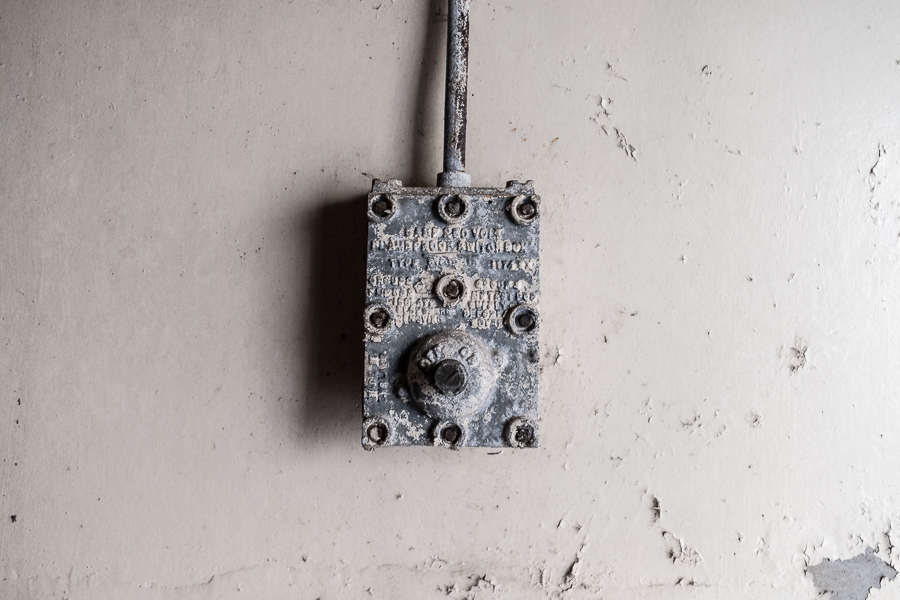
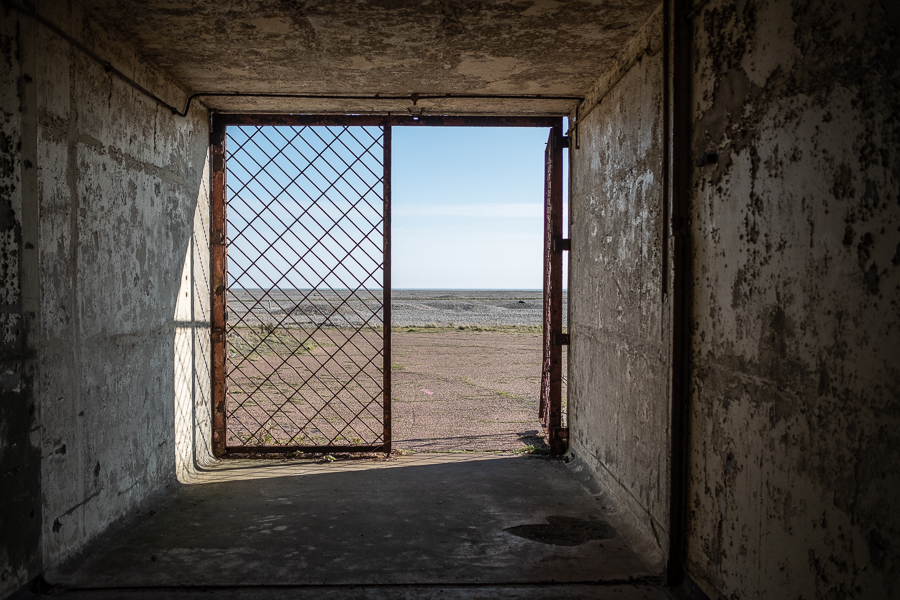
Despite its quiet and desolate beauty, many of the part-destroyed buildings remain still largely intact but spread across acres of flat, but eerily wavy, shingle; an attraction for my interest in documenting shapes, details and textures.

All images shot with Fuji X-Pro2 and 23mm 1.2.

These Walls Tell Stories: Photography Exhibition and limited edition prints. by Shaun Armstrong

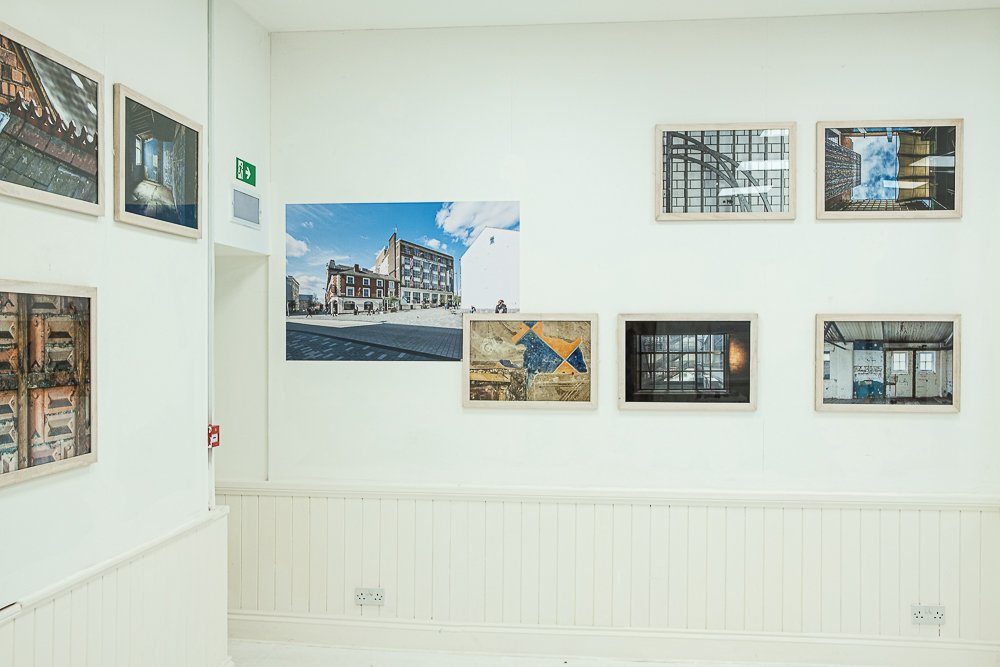
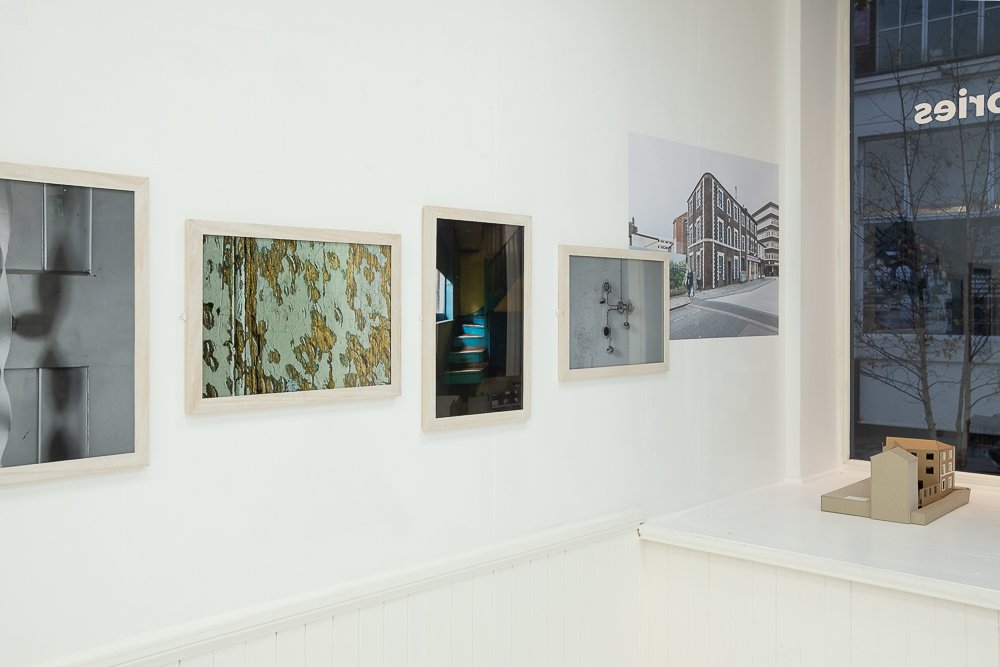
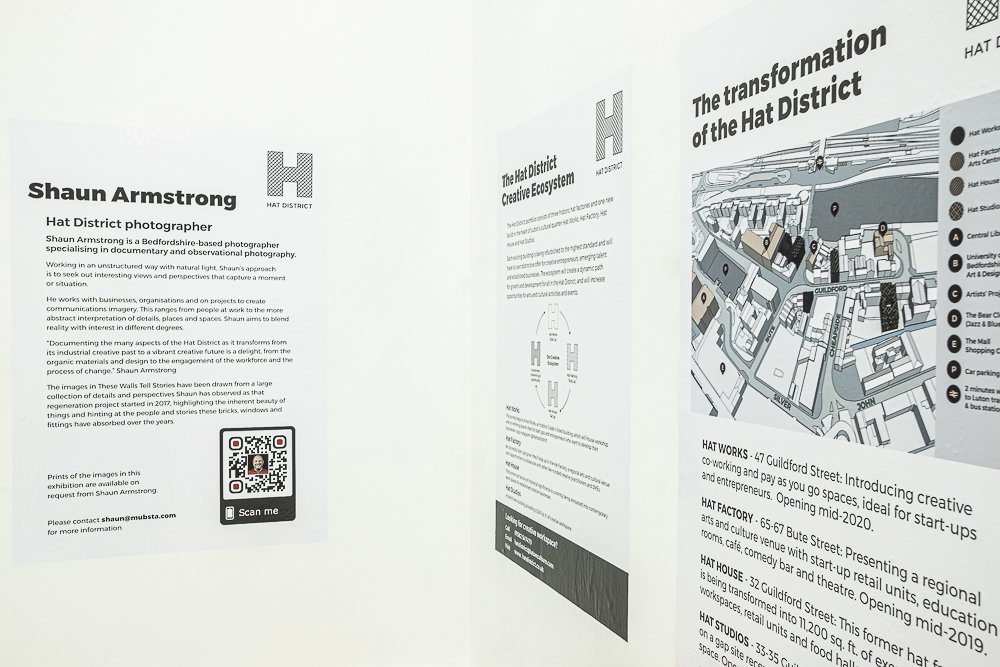
These Walls Tell Stories was a professionally curated exhibition of photography drawn from my 5-year documentary commission of the Hat District heritage regeneration project for The Culture Trust, Luton.

Luton in Bedfordshire was for many years since the 17th Century the centre of the UK’s hat-making industry. As trends, production techniques and global trade evolved, the industry eventually compacted.

Whilst Luton still has some specialised hat suppliers and manufacturers, many beautiful buildings were left in disrepair or under-utilised.

The Culture Trust Luton had the vision to continue this process of adaptation and reinvention with a focus on generating an eco-system of spaces to attract and support creative industries.

A programme of restorations and refurbishment, to be known as The Hat District, incorporated spaces to be known as Hat Factory, Hat House, Hat Works and in due course a new-build, Hat Studios.

My 5-year commission covered documenting the spaces before, during and after, alongside the process of specialised work and industries.

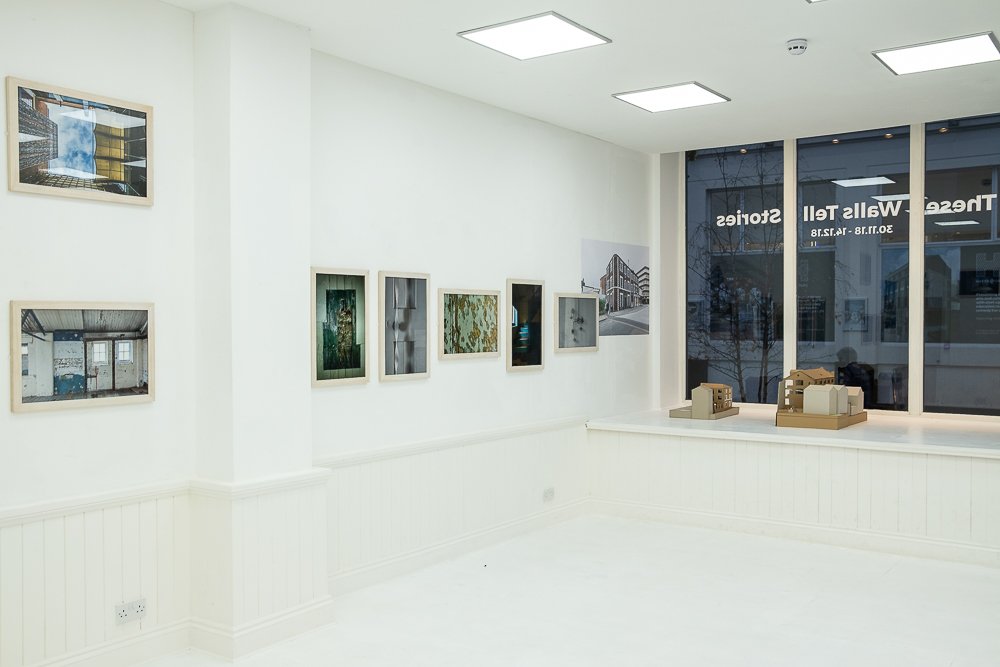
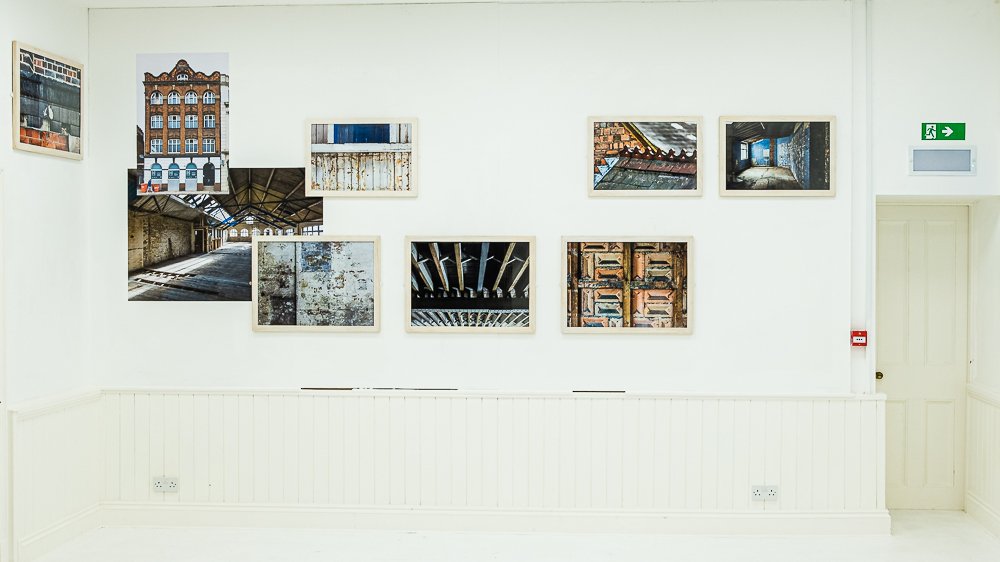
This exhibition, incorporating a mixture of framed images and wall-prints, presented in a Wolfgang Tillmans style, focuses on capturing details and abstract elements pre-restoration. The patterns created by the diverse materials and building layout as it starts to change

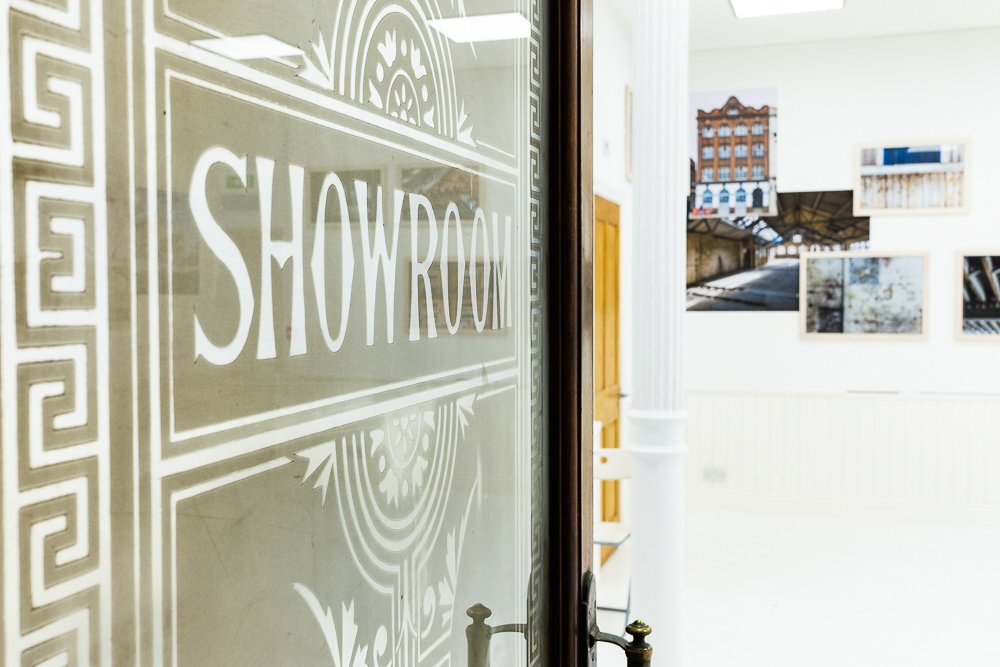
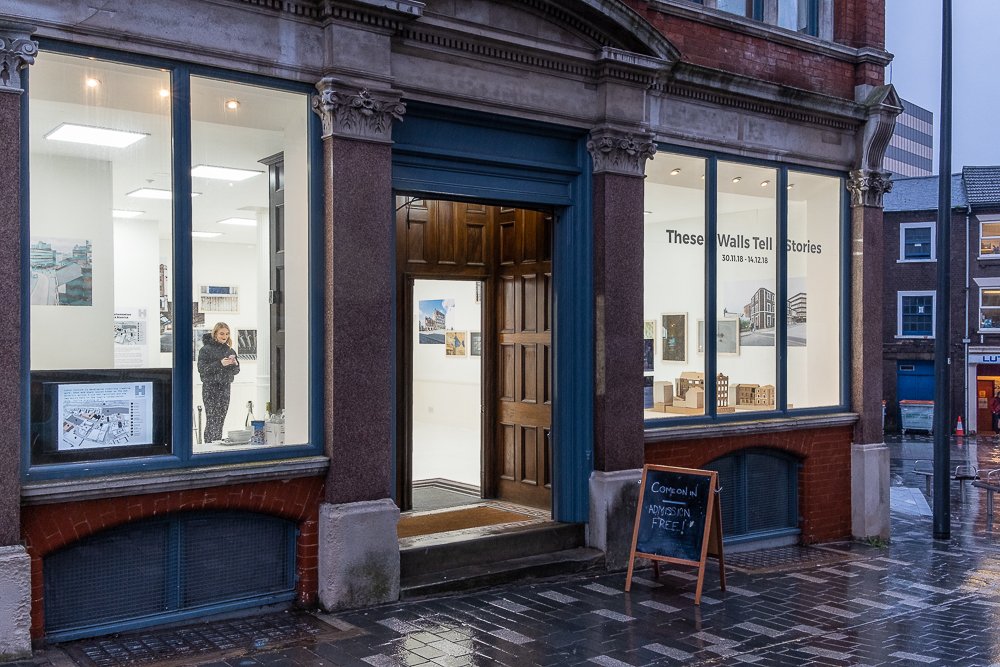
These Walls Tell Stories in collaboration with The Culture Trust and presented by Matthew Shaul of Departure Lounge, took place at The Storefront in Luton (an old hat factory showroom) between 30 Nov and 21 December 2018.

Tate Modern - Pictures and Picasso by Shaun Armstrong

“Essentially there is only love. Whatever it may be” Pablo Picasso

©shaun_armstrong_tatemodern-10.jpg

Every artist or creative should make time to view the work of others, especially those who are successful in their chosen field and better still if not of the same genre. It stimulates new ideas and routes to more unique experimentation within your own skill-set. And for me, no visit to London is complete without a visit to Tate Modern where there is usually something interesting or challenging to see.

This visit gave an opportunity to see the “1932” exhibition of works by Pablo Picasso during this key year of creativity and output but also “SHAPE OF LIGHT : 100 Years of photography & abstract art” exploring the evolution of creative approaches to image creation.

Here are a few quotes I liked from Shape of Light :

“Why should the inspiration that comes from an artist’s manipulation of the hairs fo a brush be any different from that of the artist who bends at will the rays of light?”

Pierre Dubreuil

IMG_3099©shaun_armstrong.jpg

My only aim was to express reality, for there is nothing more surreal than reality itself. If reality fails to fill us with wonder, it is because we have fallen into the habit of seeing it as ordinary”

Brassaï

IMG_3095©shaun_armstrong.jpg

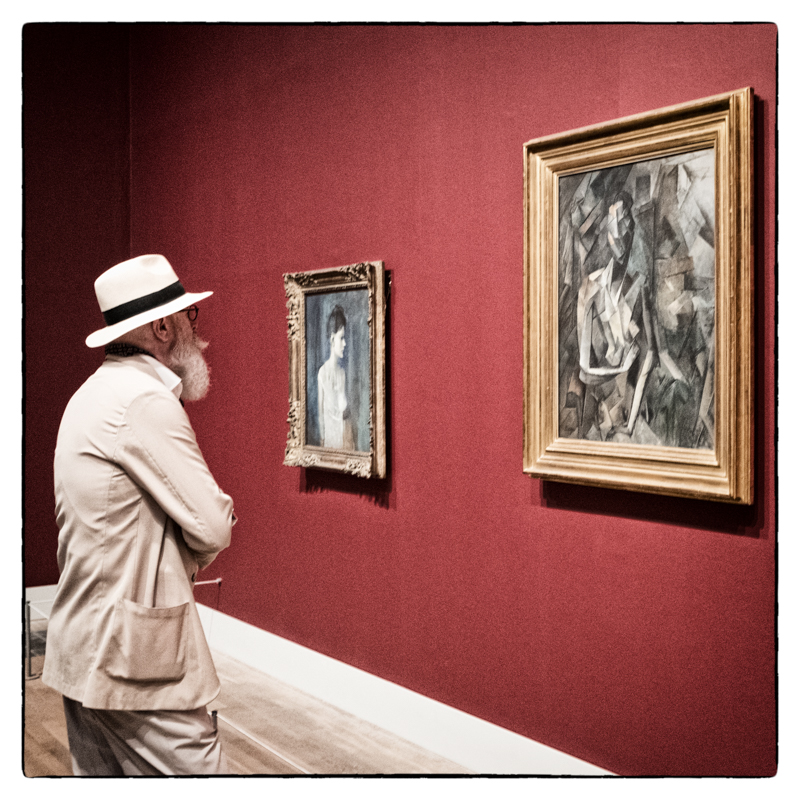
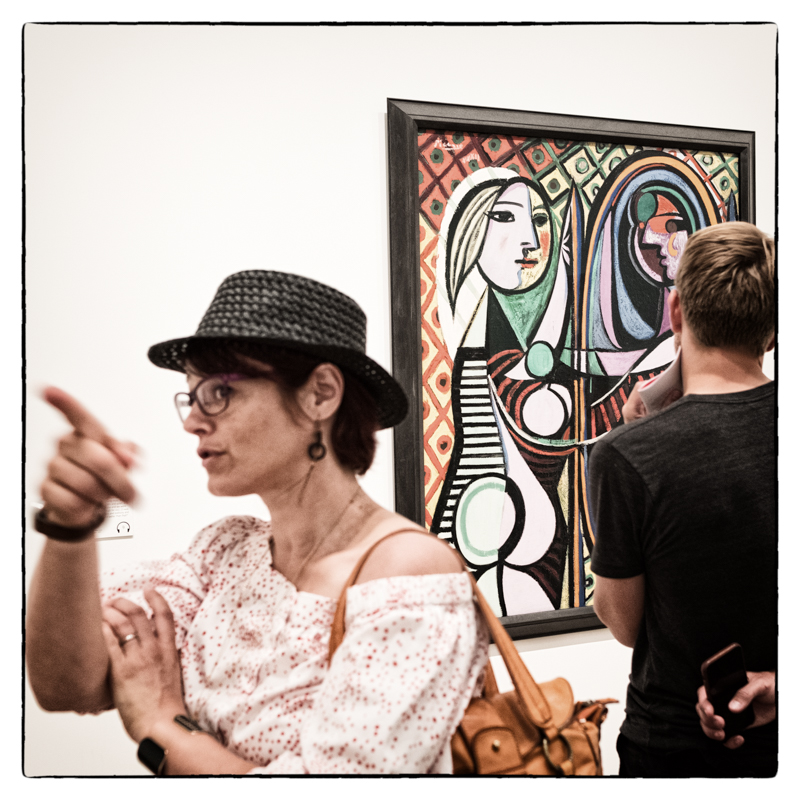
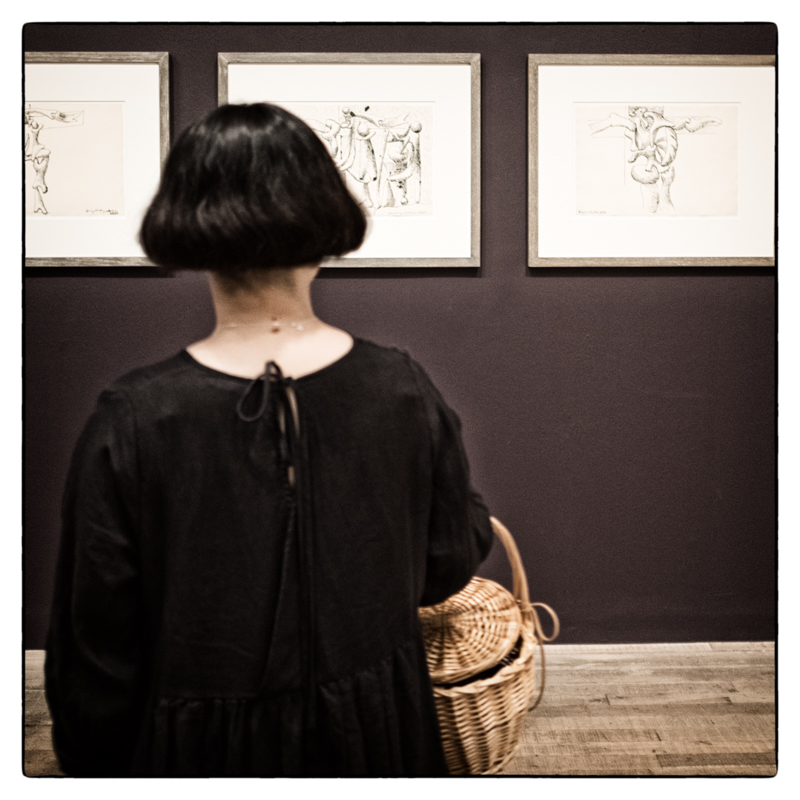
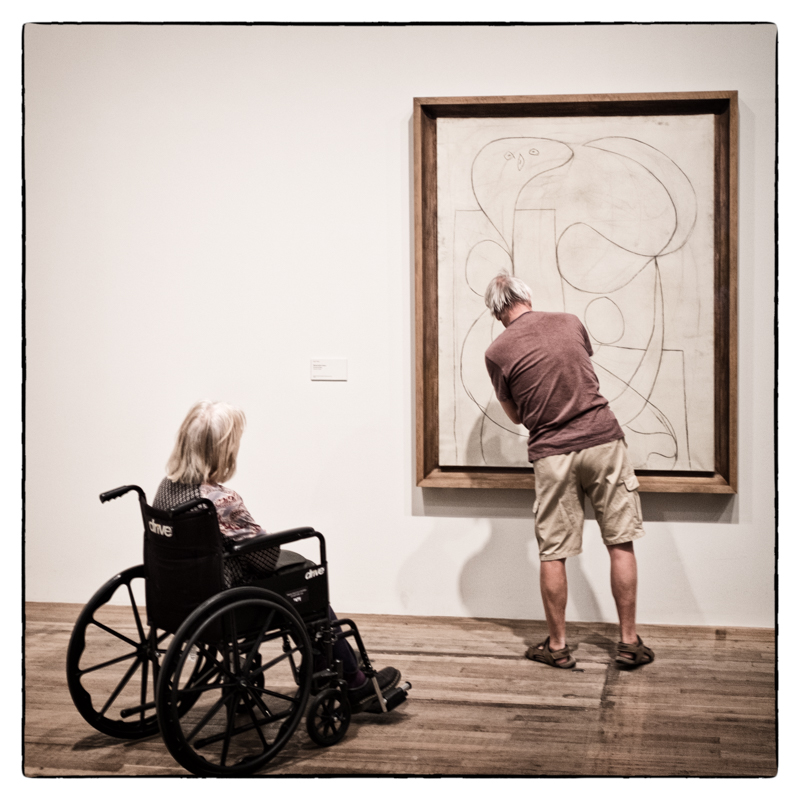
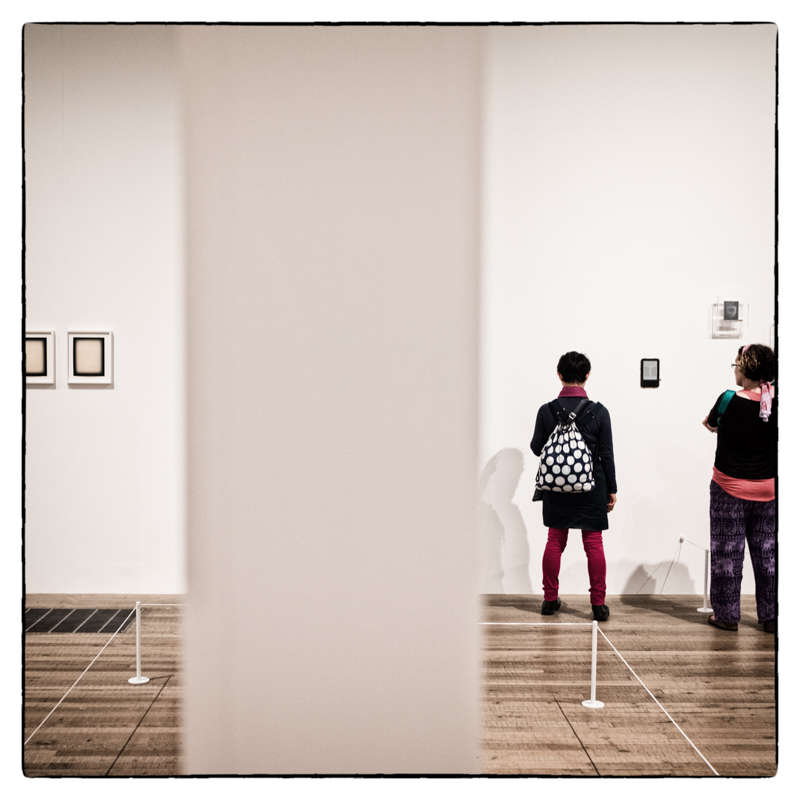
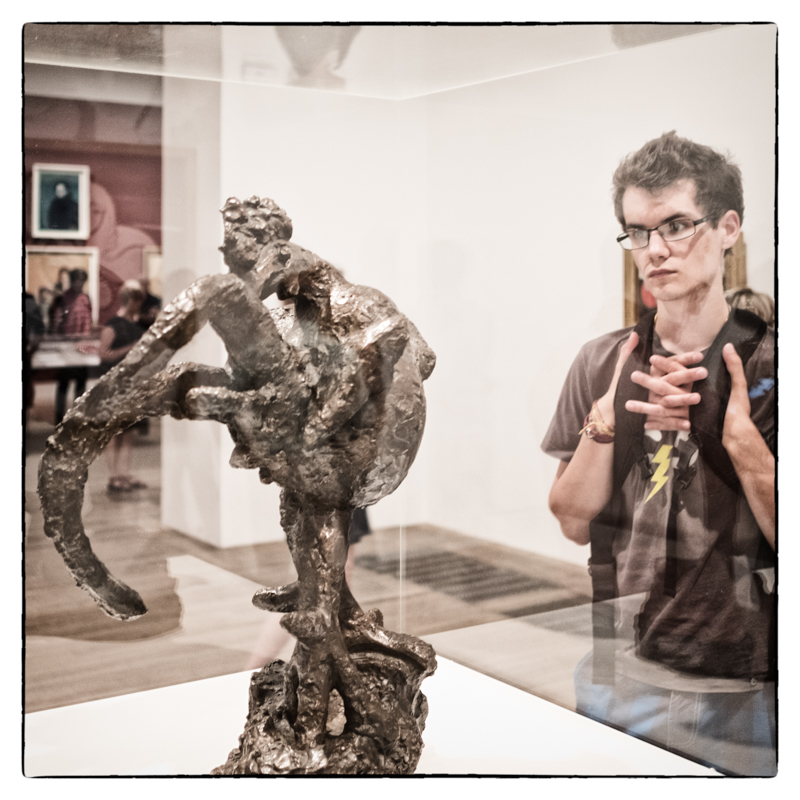
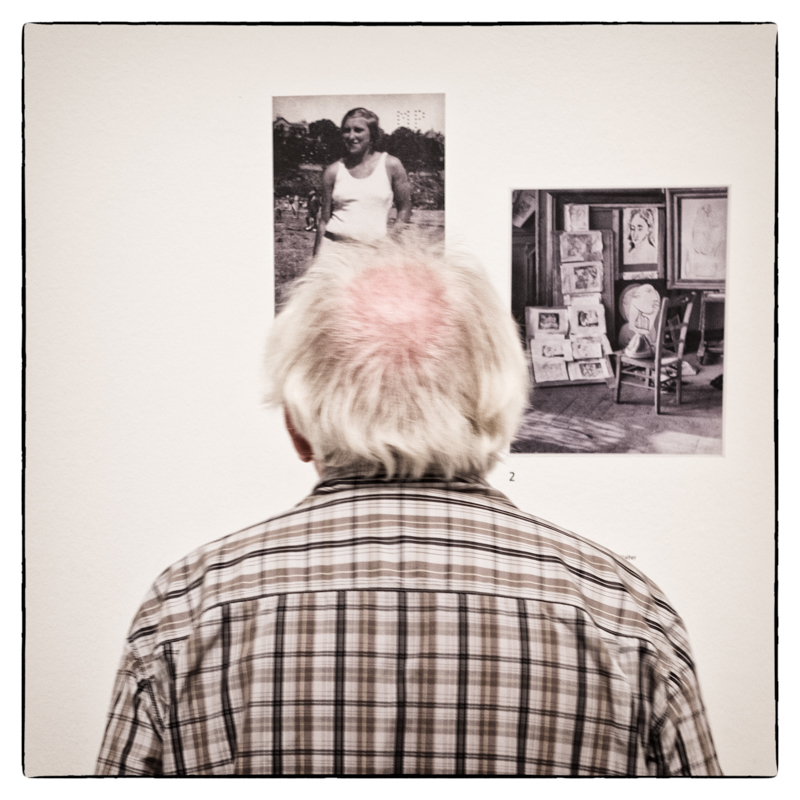
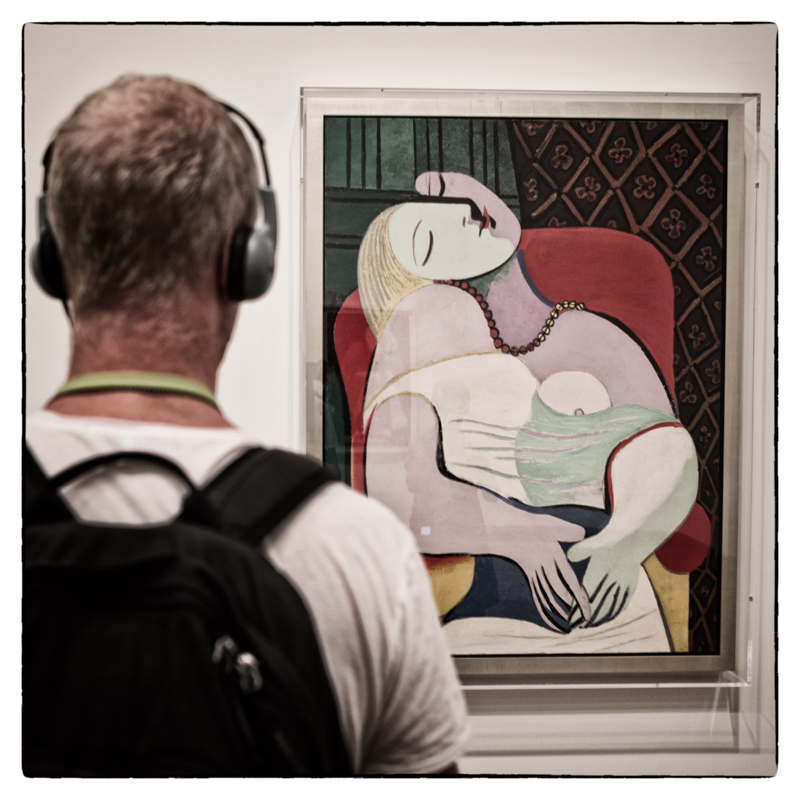
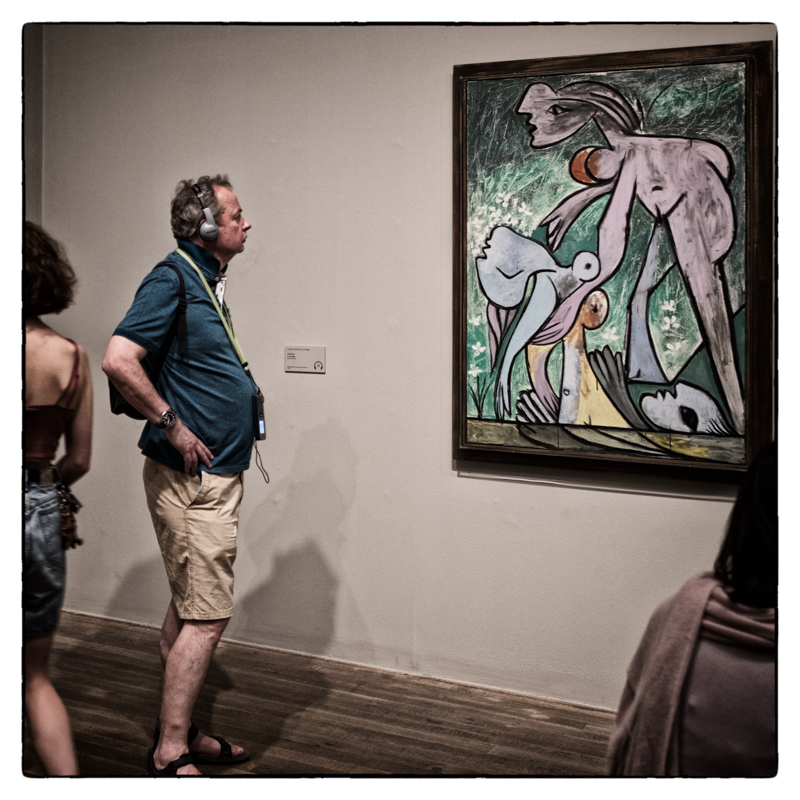
Whilst I enjoyed the Picasso retrospective , I found myself more intrigued by those viewing than the work itself. The photographer’s curse I guess; not really be able to be somewhere interesting without seeing images you want to capture…

People are just fascinating, so here are some moments of (indoor) street iphonography…

D-Day75 - Daks Over Duxford by Shaun Armstrong

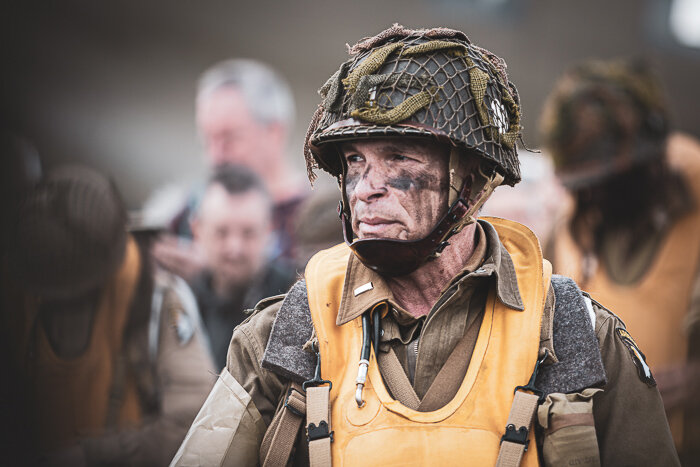
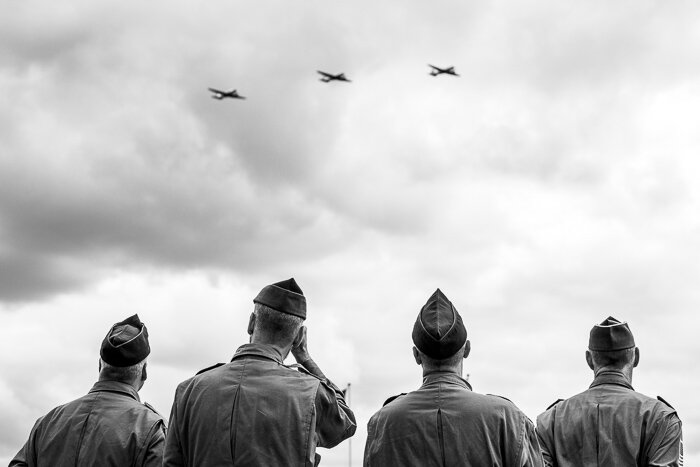
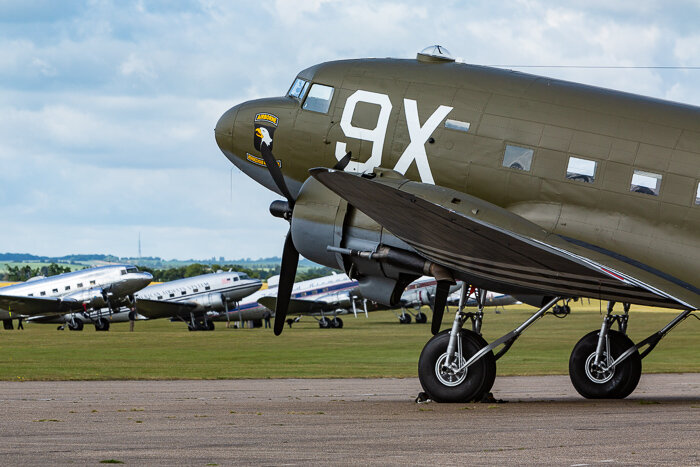
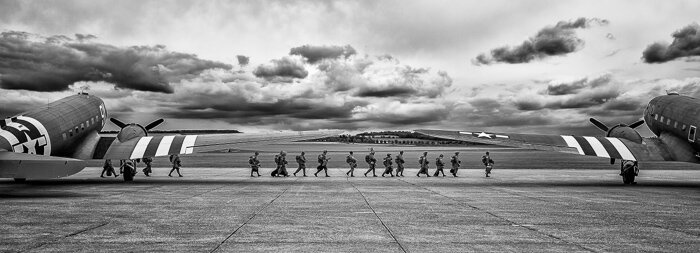
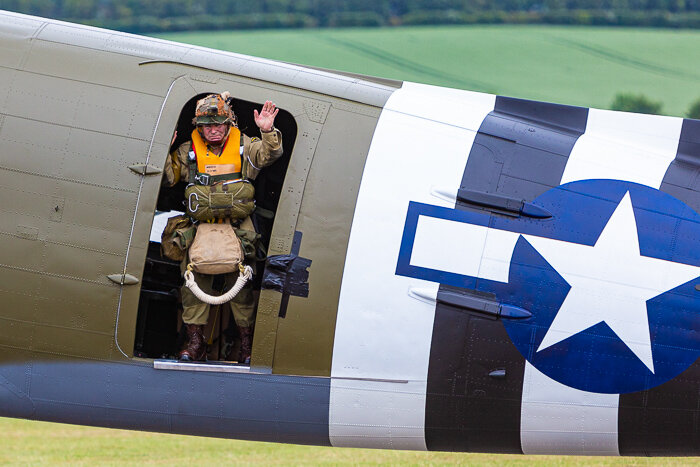
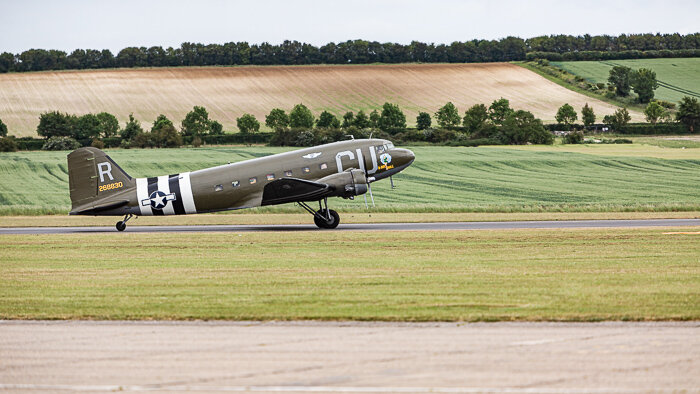
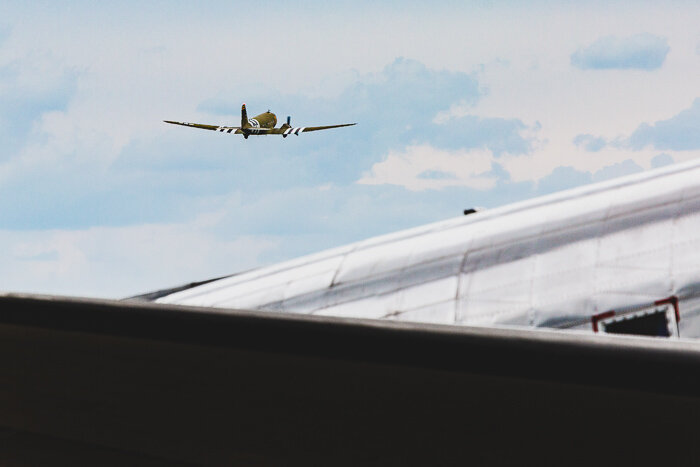
Reportage photography from RAF Duxford as over 30 Douglas Dakota aircraft gathered ahead of a memorial parachute drop as part of the D-Day75 anniversary.

The events of D-Day have a poignant meaning for me.

My father served in the RAF during WWII having volunteered to join up in 1941 until enforced demob to help ‘rebuild Britain’ in 1945.

Whilst he did not take part directly in Operation Overlord, it was when I was on a trip to the Normandy beaches in 2008 when he suffered a tragic accident falling off a ladder picking apples at 86. He was unconscious on my return and died 10 minutes after I got to the hospital.

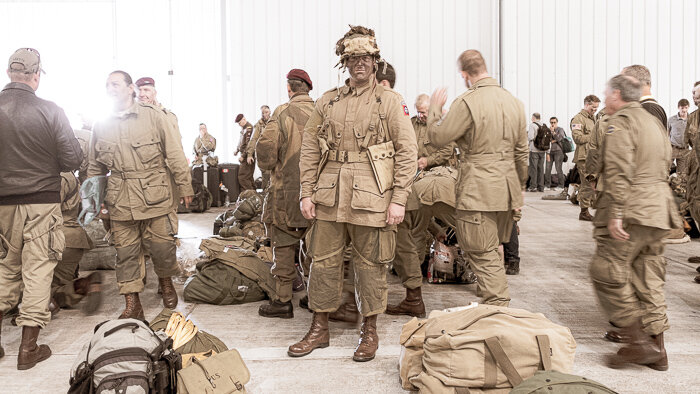
To mark the 75th anniversary of D-Day in 2019, I went to Imperial War Museum Duxford; ironically with the friend I was in France with in 2008. They were staging a special exhibition and global gathering of 35 Dakota C47’s, the planes that flew the first waves of parachutists into occupied France in the early hours of 6 June 1944. A feat that 220 parachutists, from around the world, were planning to recreate.

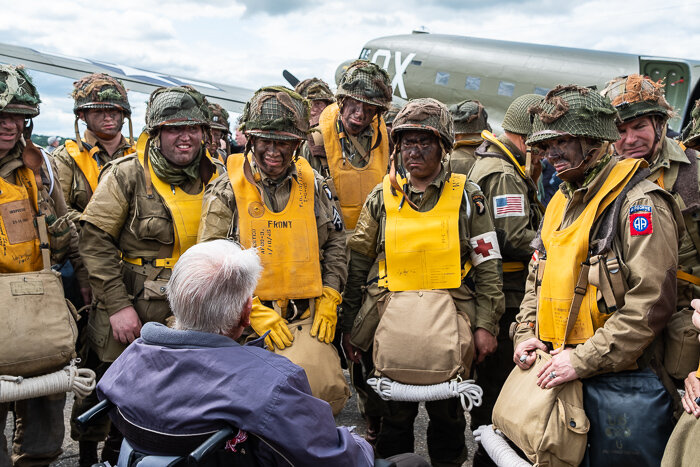
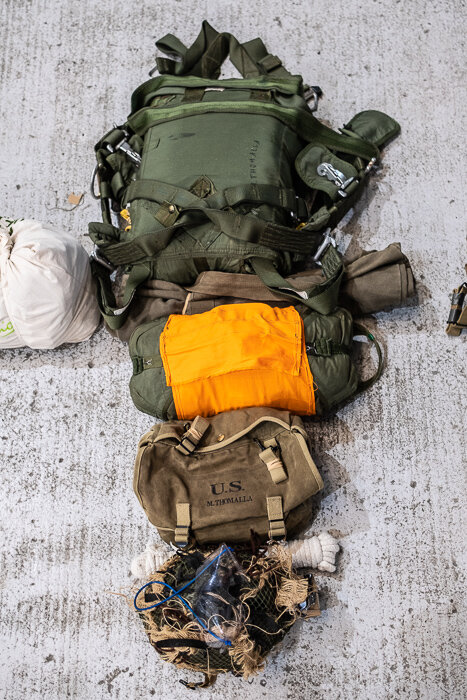
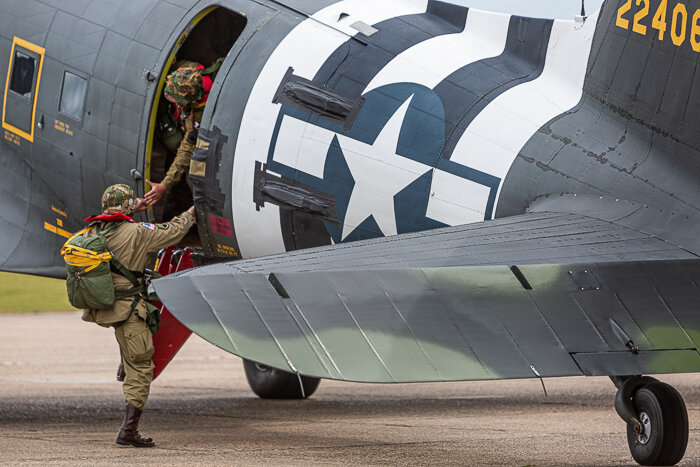
As in 1944, the days proceeding the event had been beset with bad weather and the planned practice jumps of 4 June had been cancelled. Many of the parachutists, wearing authentic gear and kit, had paid to take part, including many from USA who had travelled with their rig especially to do the commemorative jump. There was a risk it would all be for nothing if cancelled again today and tensions were high.

But the day had arrived and it saw men and machines go through their preparations; the previous day’s abort weighed heavy on reports of variable weather over Normandy where they would drop into that afternoon, after 22 Dakotas had flown in formation to France ahead of the June 6th.

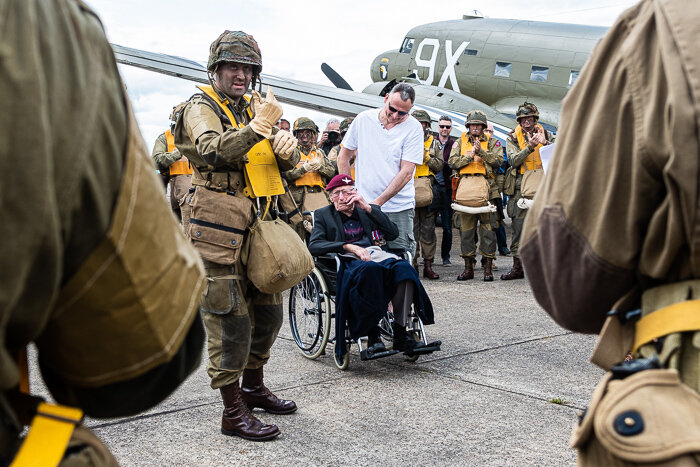
By sheer luck, divine providence or ballsiness, I found myself out on the flight line as a group of US 101st Airborne ‘Screaming Eagles were gathered outside an in-period Dakota, to say some prayers. The emotion of this event, as I stood immediately behind the circle they had formed, with some WWII veterans in the middle, was intense. It really gave a sense of what the young men who were getting ready to face in 1944 for real, and with dire potential consequences, would have been going through.

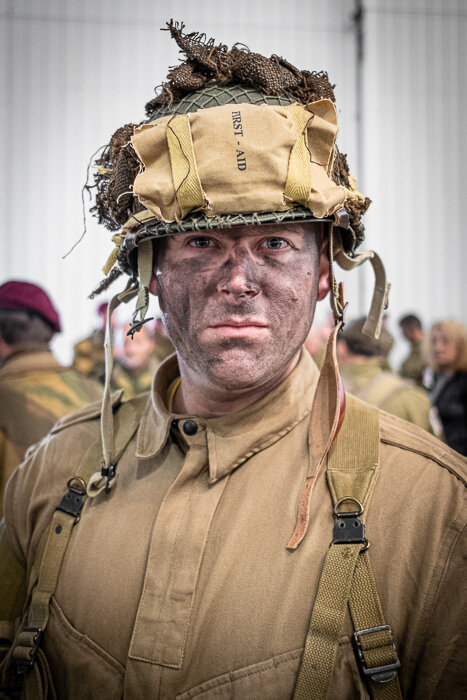
I also had a walk around (not sure I should have been there but there you go) the pre-drop parachutist gathering in the main hanger. Flushed with my success with asking to take portraits at the V&A (see previous blog post) I had a chat with one young American as he was waiting.
Warren Johnson had been training specifically to take part in this event after he had found out his Great Uncle had parachuted into Normandy on D-Day and he just had to honour that memory. He had found other members of the original crew and had with him mementoes and original dog-tags from them which he was taking on the drop. On top of that, he’d managed to track down the original Dakota they flew on to Sweden and share the story of its history. Whilst converted to an airliner after the war (DC3), Warren would be making his drop from the same plane. Bloody amazing and a testament to what you can learn just by chatting with people…

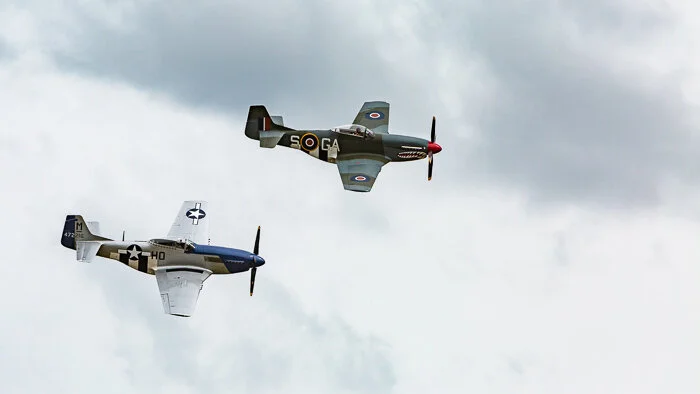
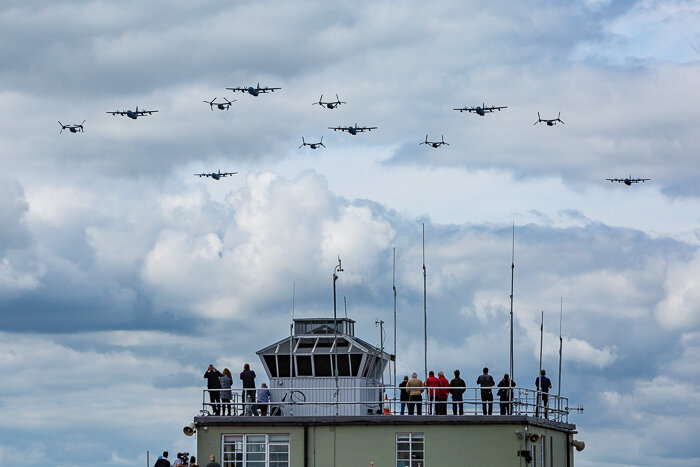
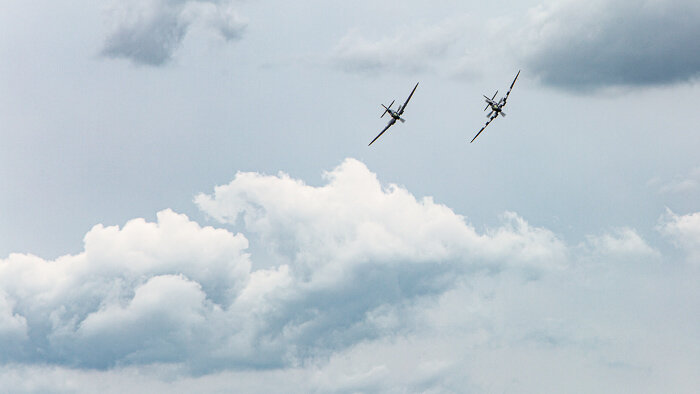
We were also treated to a flypast of 12 Hercules and Osprey and other WWII warbirds in iconic black and white D-Day livery.

This all added to the anticipation as the crews climbed into the Dakotas and the planes started up to fly to France for a successful, if slightly delayed, drop over Caen, Normandy. Well done Warren.

The place was quite eery after they had all gone in a flurry or noise and activity, leaving me with thoughts of those who went to France and would not see their loved ones again…